




Cultural hub on the front line: field theater, cinema, and casino near Kreva during World War I
 8 May 2026
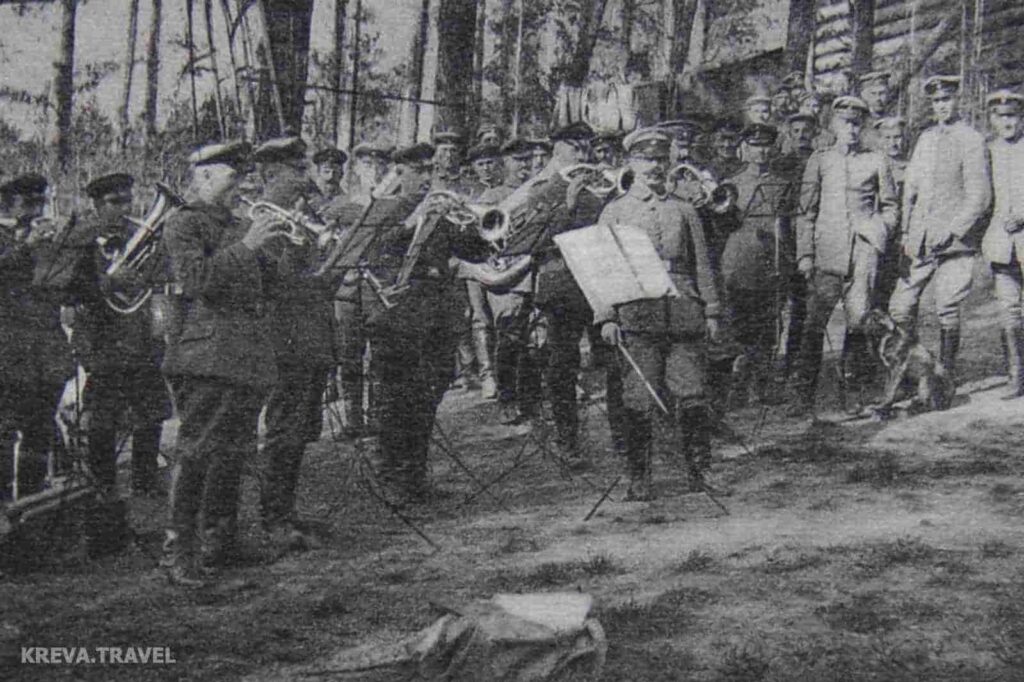
During World War I, the village of Bobry, 10 kilometers south of Kreva, was a base for the German 75th Landwehr Infantry Regiment. In the village and its surroundings, soldiers and officers managed to create a unique infrastructure for relaxation to support morale – from a luxurious casino to a field theater, on the stage of which works by future Hollywood stars were performed.
What the casino was like
An officer casino was built in the forest near Bobry. Military personnel ironically called it a “luxury building” due to a level of comfort unusual for the front.
The decoration was handled by a professional – Sergeant Ebert, who in civilian life was the head of props at the Thalia Theater in Hamburg. Inside, elements brought from destroyed estates were used (for example, furniture made of birch and spruce). The main hall was decorated with paintings, portraits of the Kaiser and military leaders, as well as a memorial plaque listing the regiment’s battles. Original lamps made from the wheels of old spinning wheels and window treatments with tastefully selected curtains created a special coziness.
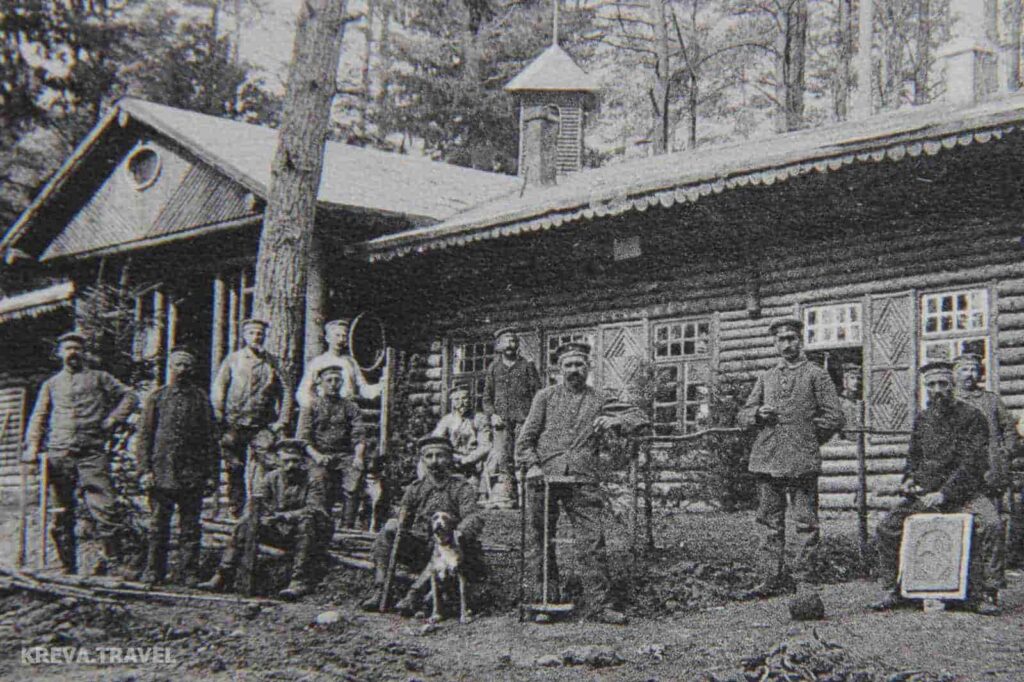
For chess and card lovers, the casino had a special game room equipped with chairs with carved backs, the patterns of which reflected card suits. The large hall, named the “Hanseatic Room,” was used as a dining room.
The casino not only served as a place for rest and official meetings, such as the visit of the Mayor of Hamburg in 1917, but also had a charitable function – profits from a special officer’s shop at the casino were directed to a fund to help widows and orphans of the regiment.
Cinema and operetta by a future Oscar nominee on the stage of a traveling theater
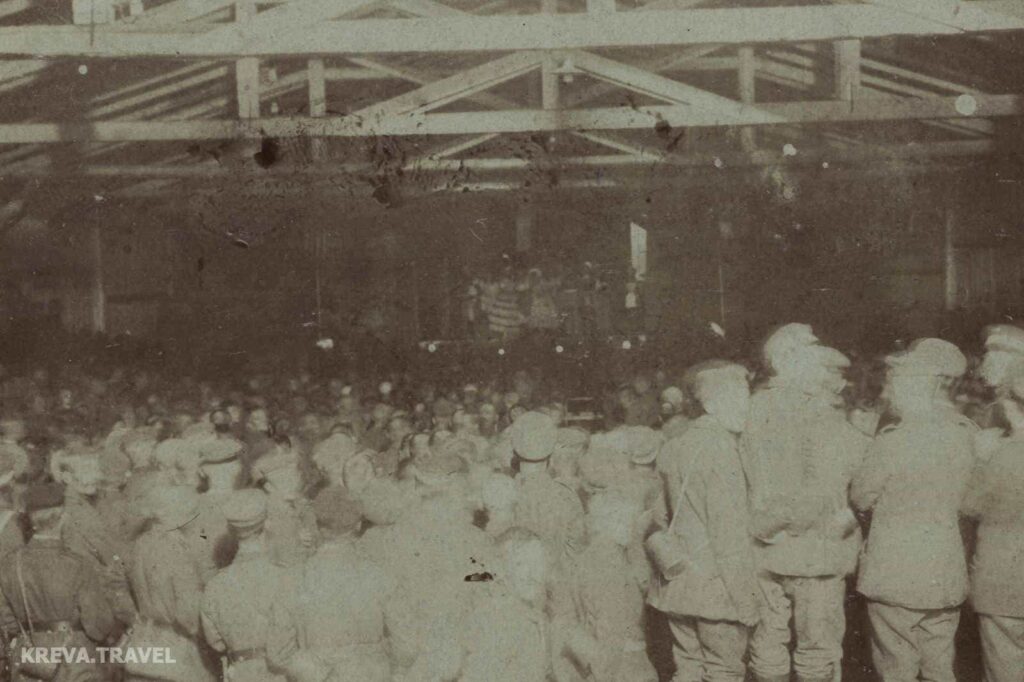
Soldiers off duty were allowed to attend film screenings held in a large wooden building used for drills. However, experienced front-line soldiers often treated them with irony and criticism – they disliked unrealistic war scenes obviously staged by people without combat experience, or films where the main star of German cinema, Henny Porten, appeared as the seductive Circe dressed in a modest nurse’s uniform.
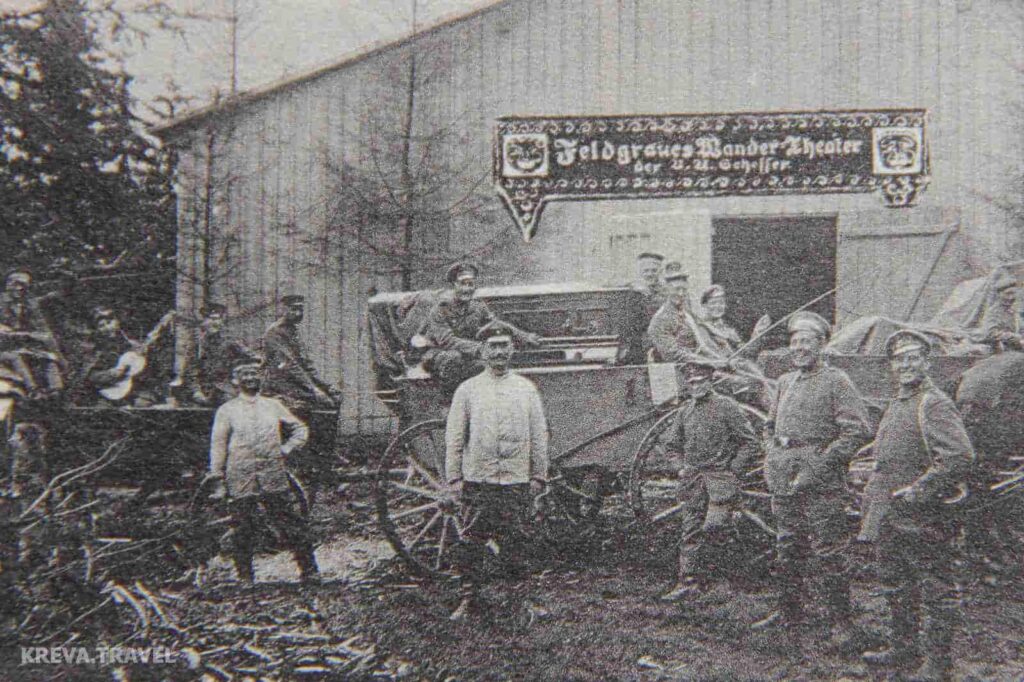
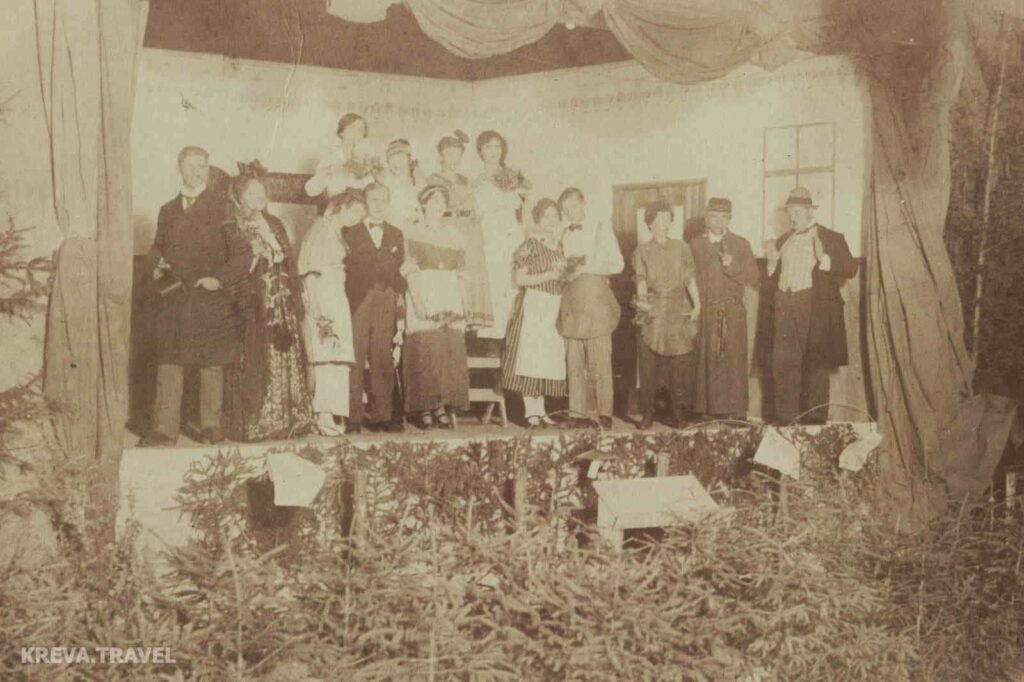
Live performances enjoyed much greater success and the sincere love of the soldiers. Humorous entertainment evenings by the famous master of artistic reading, Marcel Salzer, and productions by a professional traveling theater troupe, which included female actresses – a rare occurrence for front-line positions – were held to packed houses.
As known from preserved postcards, the operetta “Das Glücksmädel” (The Lucky Girl) was staged in this field theater on August 2 and 3, 1917. The music for the operetta was written by the prominent Austrian composer Robert Stolz.
During World War I, the author served in the Austrian Imperial Army. After the occupation of Austria by Nazi Germany, Stolz emigrated to the USA, where he continued his career in Hollywood. There, the composer was twice nominated for an Oscar – in 1941 for the music to the film “Spring Parade” and in 1944 for the film “It Happened Tomorrow” directed by René Clair.
How else the soldiers entertained themselves
Every Sunday afternoon, to the sound of the regimental band, football matches were held, attracting a large number of spectators from neighboring districts. It is known from the regimental diary that there were plans to equip a tennis court near the casino, but there is no information on whether this project was implemented in time.
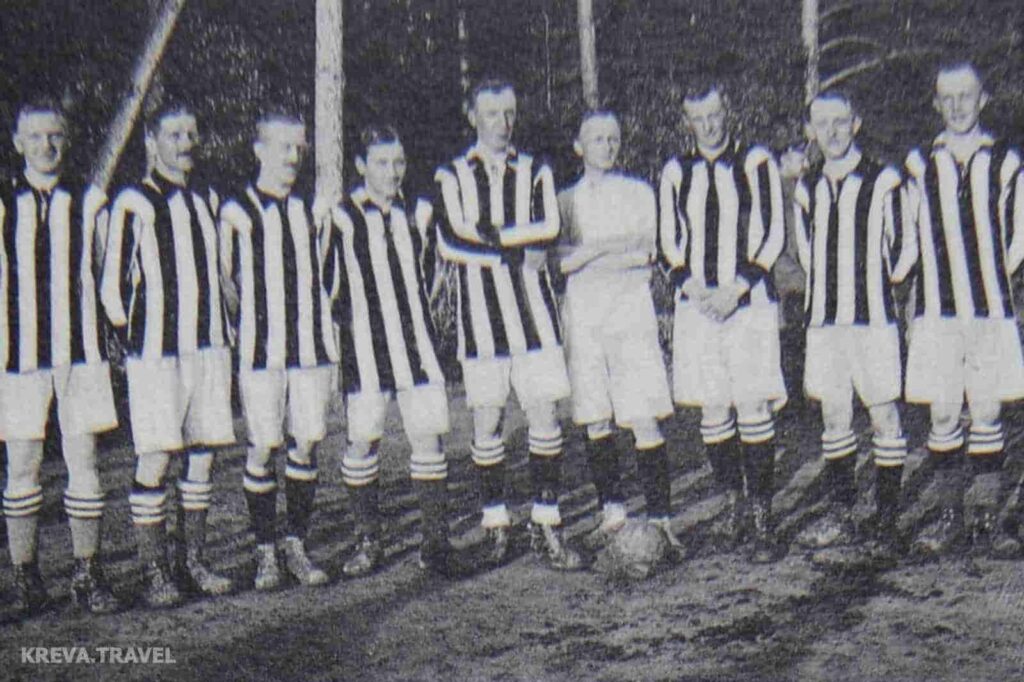
In winter, soldiers went sledding or simply slid on the ice. Traditional hunts were organized for officers, and junior officers took horse riding courses. Some soldiers made souvenirs from shell fragments or other military scrap, creating ashtrays, letter openers, and other decorative items.
Landscaping the area around their dugouts and headquarters became a real passion for the soldiers. They laid out flower beds, vegetable gardens, and even orchards. The love for gardening even reached the trenches on the front line, where soldiers created small “alpine gardens”. A Soldiers’ House was set up in the area of the manor park. Here, front-line soldiers could rest from damp dugouts and read books from the library. Rabbit breeding was popular among the military, which also helped to diversify their diet.
