




Kreva Castle and its twin brother in the photographs of Jan Bulhak’s students
 3 December 2023
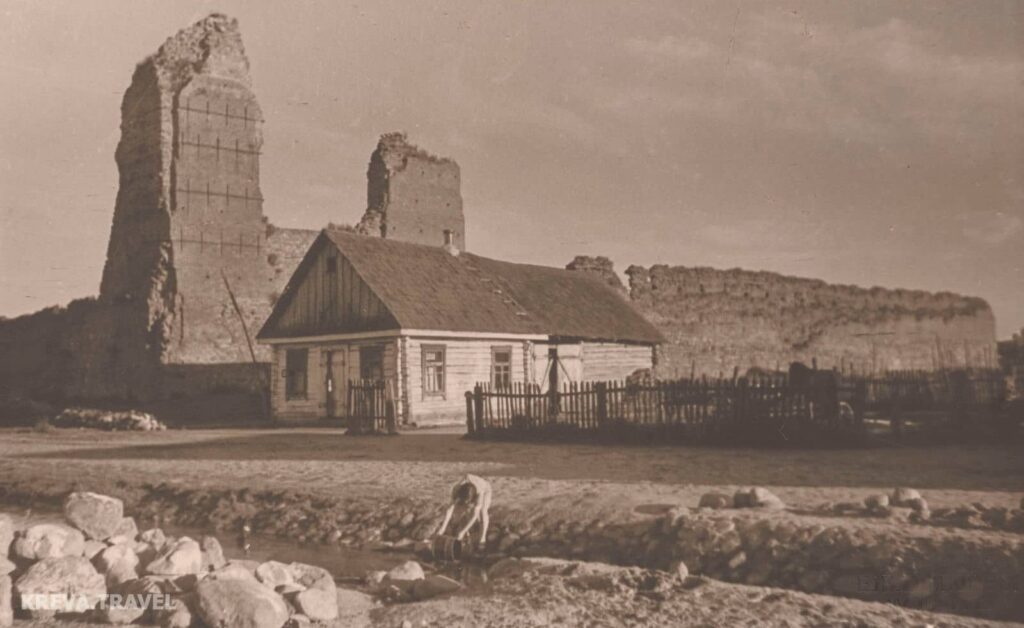
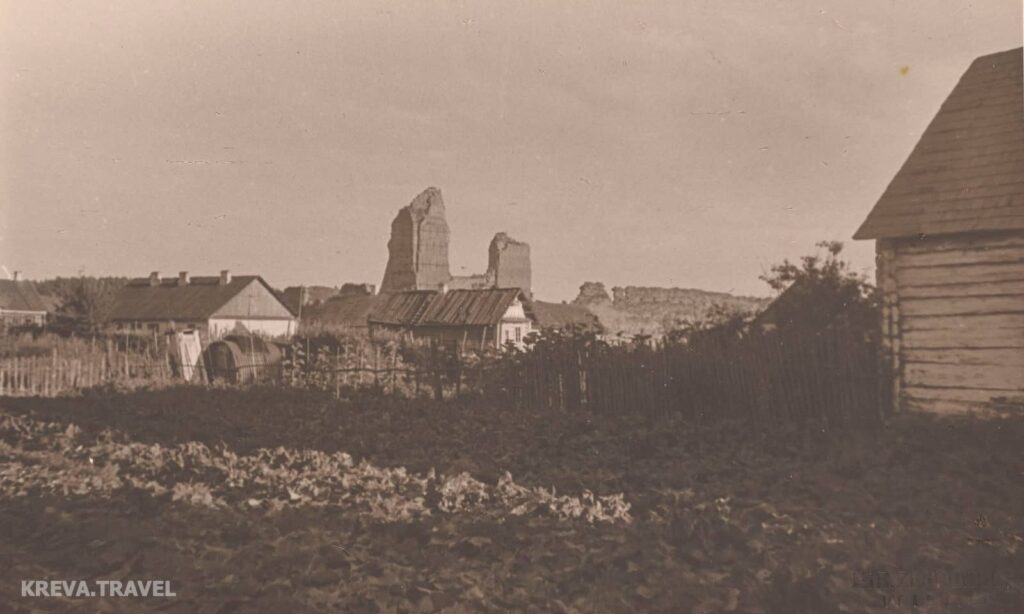
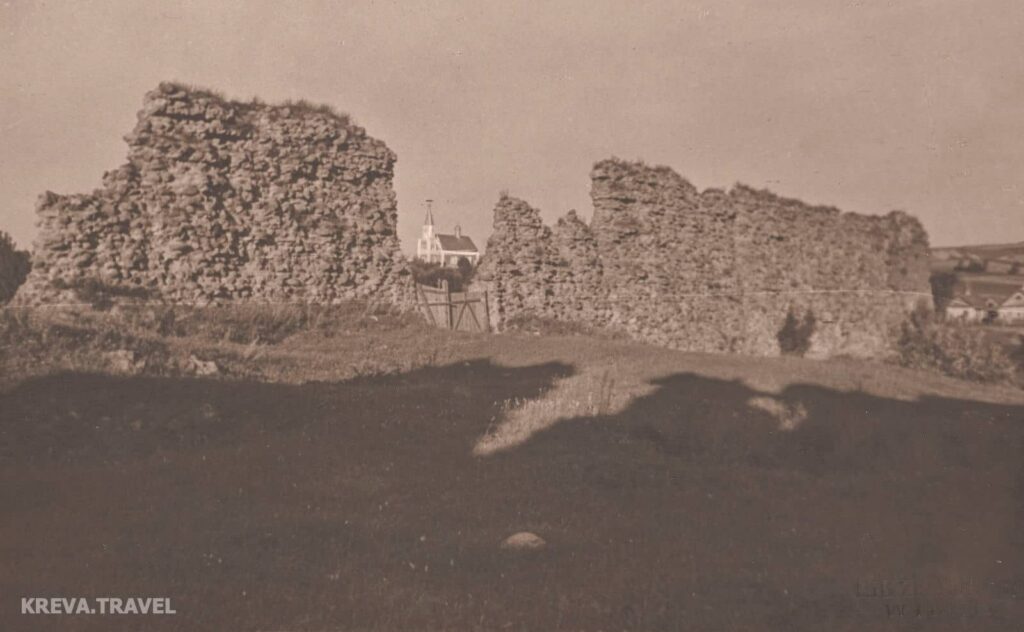
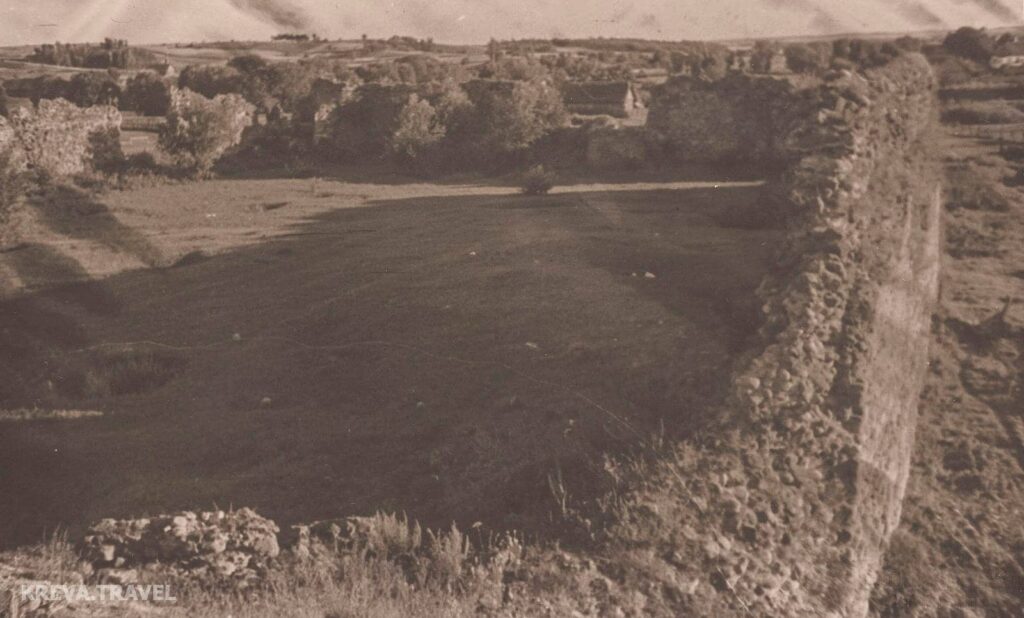
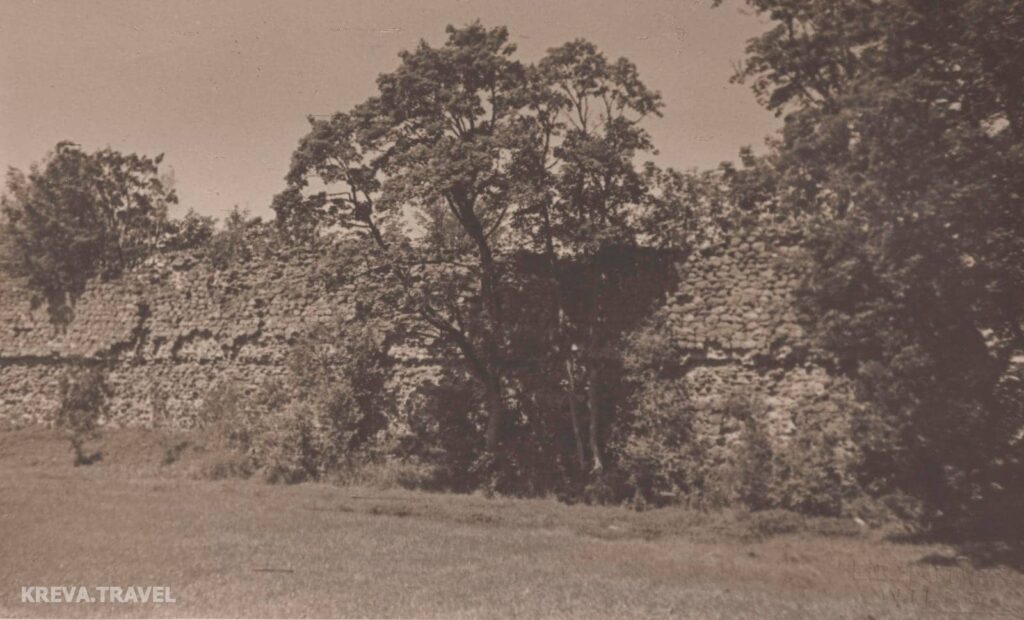
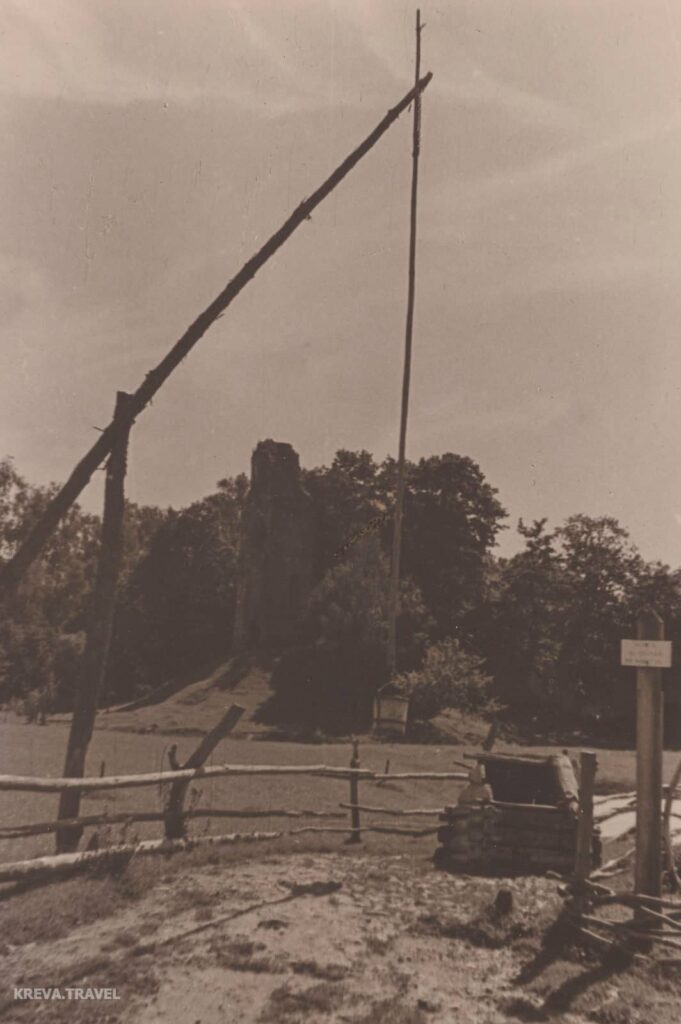
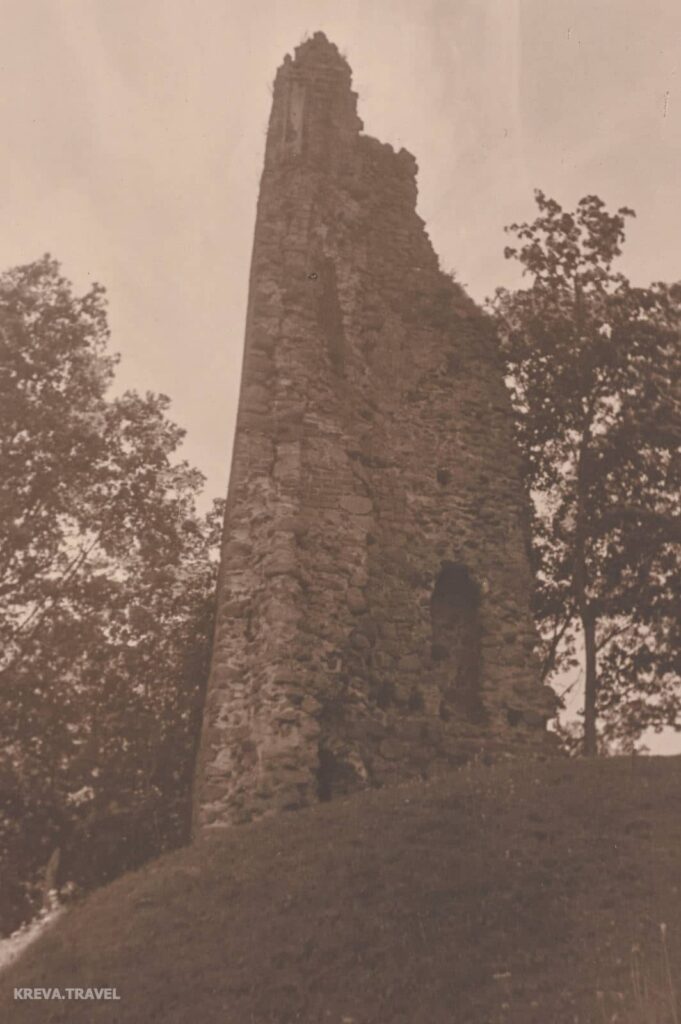
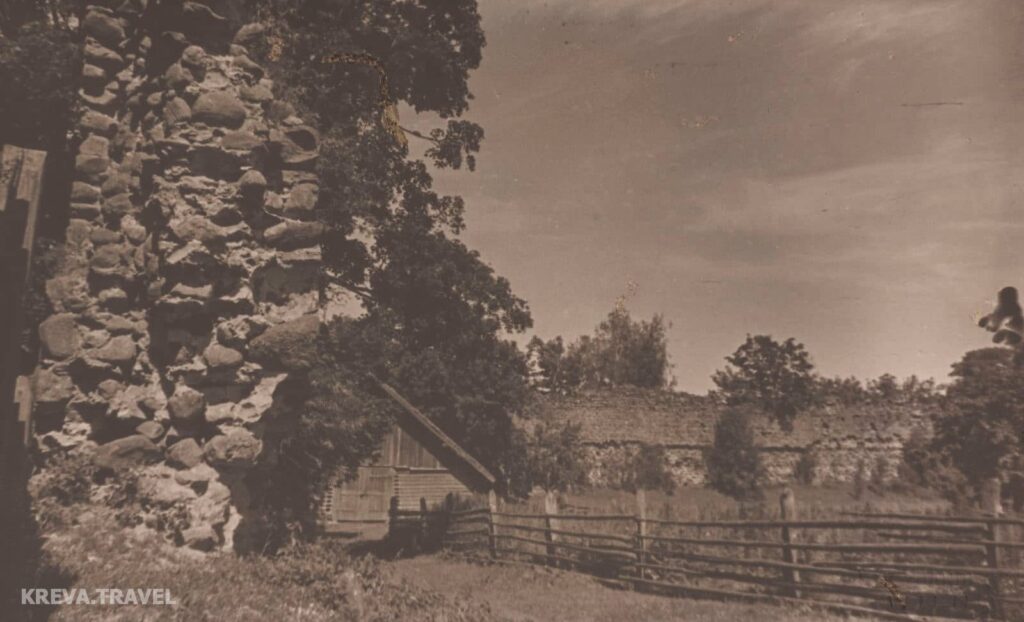
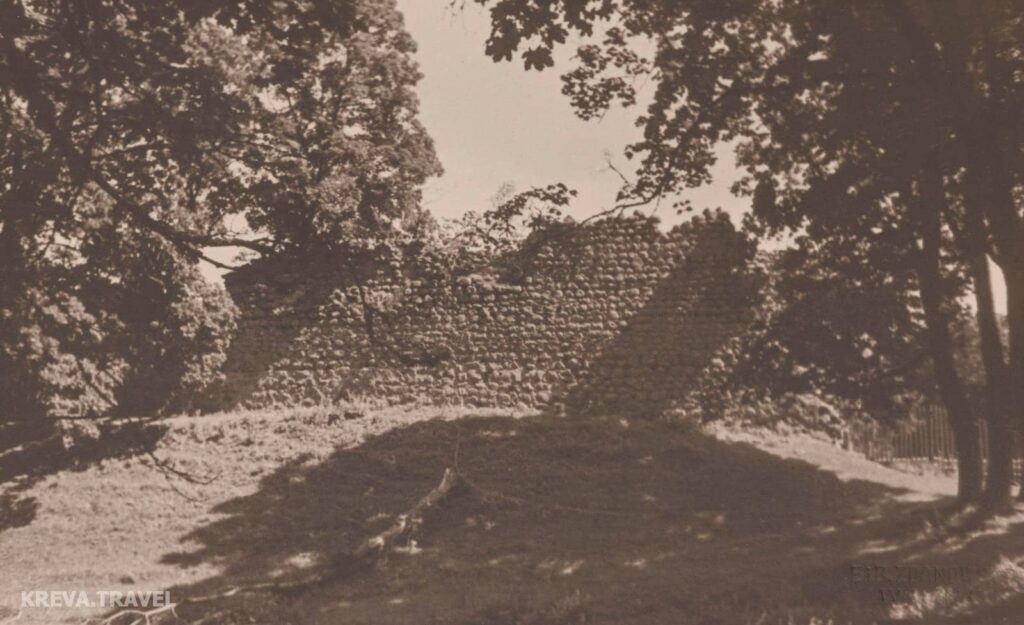
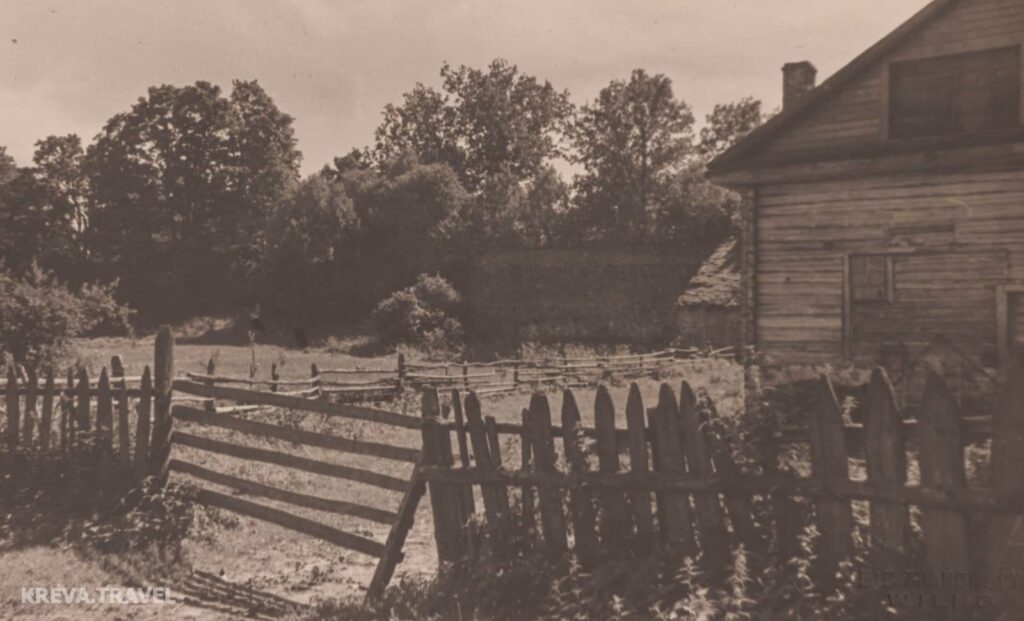
Local historian Kastus Shytal discovered a photo album of photographers Edmund and Baliaslava Zdanouski in the archives of the National Museum in Warsaw, featuring previously unknown photographs of the Kreva and Medininkai castles from the 1930s.
The Zdanouskis were students, and later employees, of the photo studio of the famous Belarusian photo artist Jan Bulhak in Vilnius. Besides their creative work, the authors also taught photography. The creators worked on topics together, so they signed their photographs as a joint work. In the 1930s and 1940s, they extensively photographed Vilnius. During the same period, the married couple visited our region and documented the castles in Medininkai and Kreva, as well as the mosque in Daubuchki.
How the authors saw Kreva Castle
The images of the castle itself, as it looked in those times, cannot be called new. At the very least, similar photographs from the interwar period can be found taken by Jan Bulhak himself or Alfons Vysotski. The works of the Zdanouskis are primarily interesting because they give an idea of the surrounding architecture of Kreva: in the photographs, one can see Zamkavaya Street, the square where the famous Kreva fairs were held, as well as the center of the town with its dominant feature – the largest wooden Catholic church in Western Belarus, which was rebuilt into a hospital.
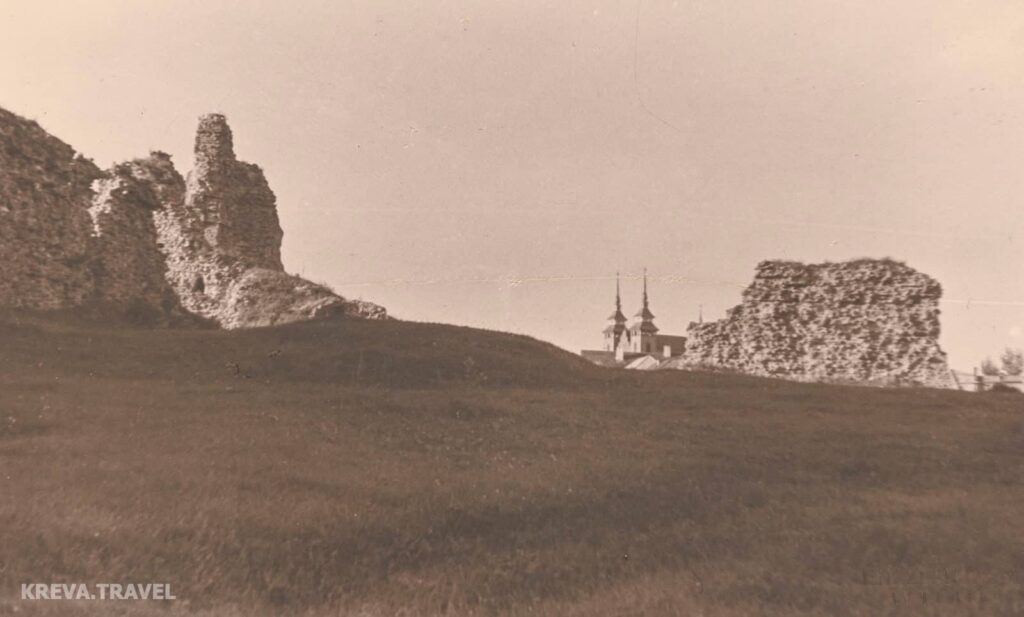
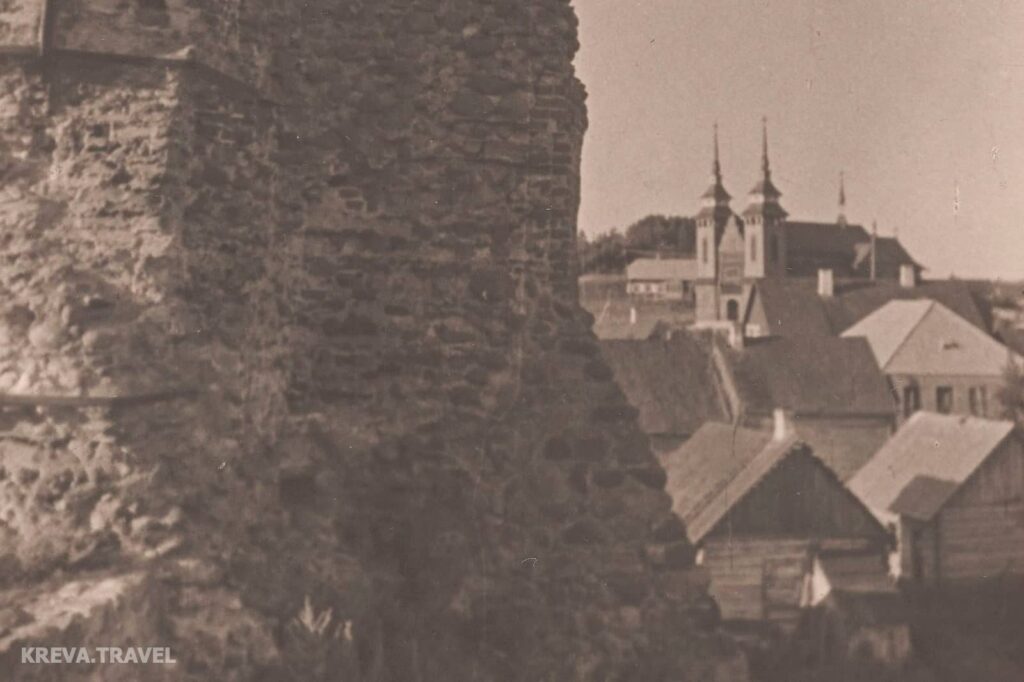
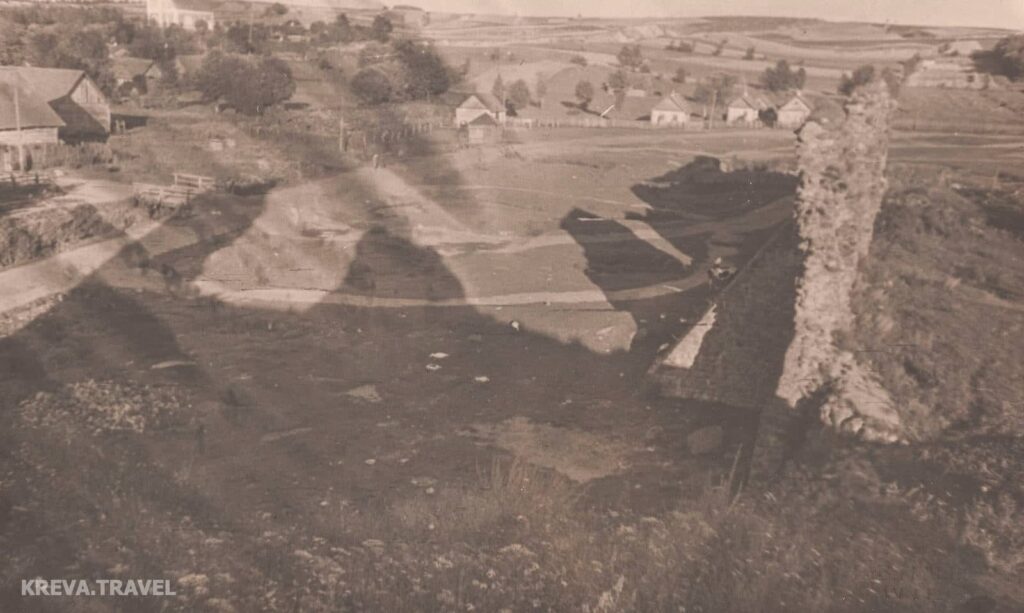
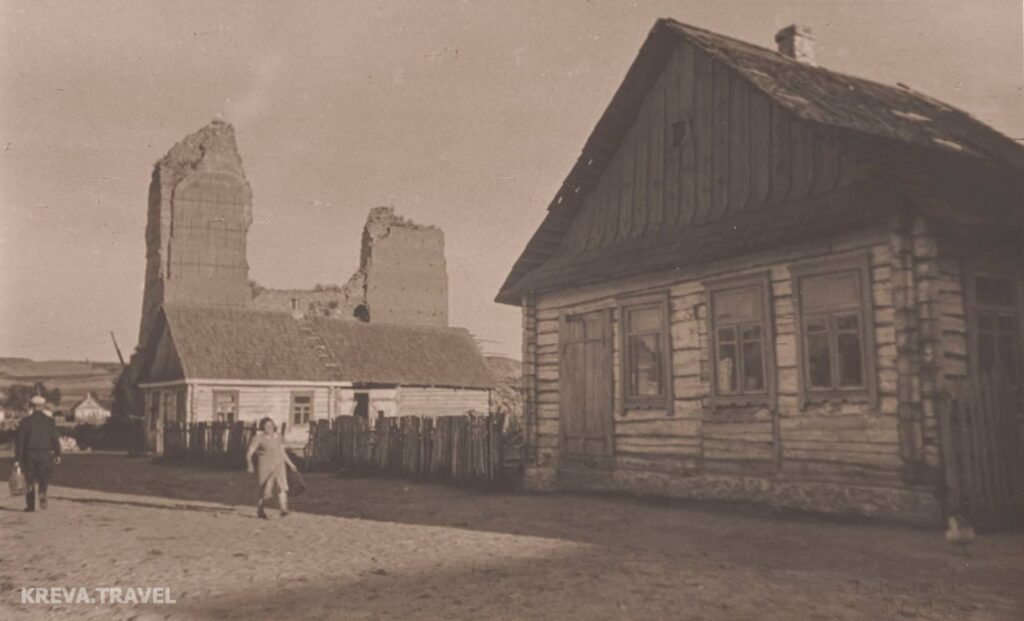
The castle in Lithuanian Medininkai
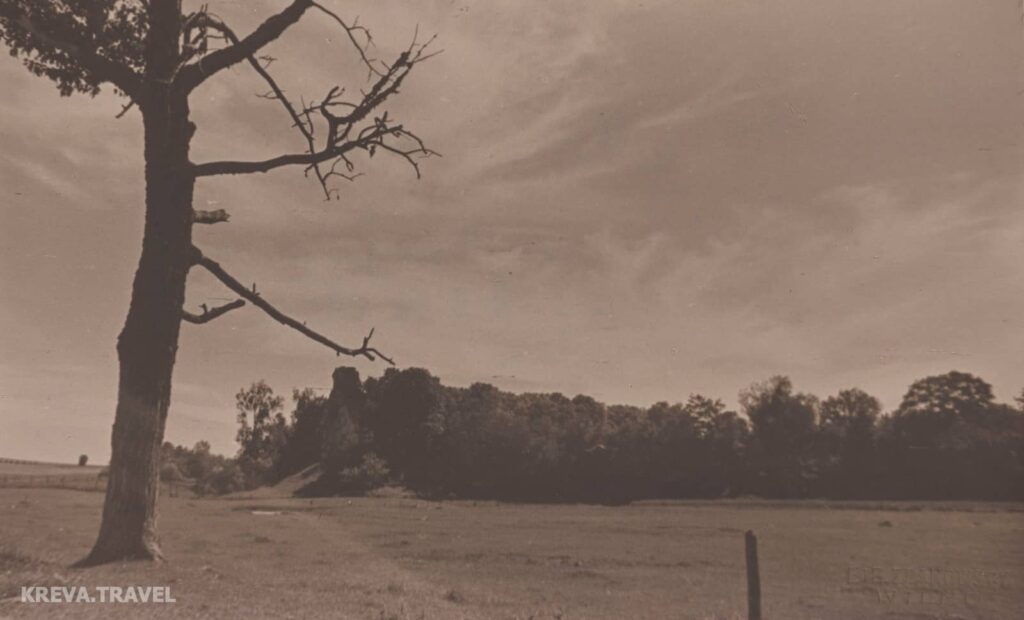
In Medininkai, the Zdanouski photographers also focused on the monument in the context of its surroundings. The authors managed to convey the peace and unhurried pace of life in the town, which was once a witness to dramatic events.
Why Kreva and Medininkai castles are considered brothers
In the 19th century, Uladzislau Syrakomlia and Cheslau Yankouski recorded a legend that lived in our town in those times. According to it, the Kreva and Medininkai castles were built simultaneously. And they were erected not by ordinary bricklayers, but by mighty giants. They worked simultaneously in Kreva and Medininkai and lent each other a hammer, throwing it in the air across four miles.
The construction time of both castles indeed coincides, and in their architecture they have much in common. Furthermore, they have one “father” – Medininkai, just like Kreva, belonged to the possessions of Algirdas. Notably, the eastern tower of the Medininkai castle, facing Kreva, was named the Kreva Tower. Both castles met a similar fate. For example, in 1402 Švitrigaila led German allies against Medininkai. In that year, likely, the wooden fortifications of the castle and the surrounding town were burned down. This same prince distinguished himself at Kreva Castle, which he burned down during an assault in 1433. Like Kreva, Medininkai Castle suffered significant losses during the First World War – a substantial part of the western wall was dismantled by German troops in order to extract rubble stone for the construction of the road to Minsk.
In preparing this material, the text by Aleh Dziarnovich “Medininkai Castle as a challenge for Belarusian restorers” was used.
